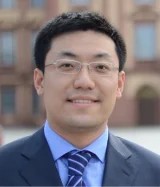
I joined the University of Southern Denmark (SDU) in 2014 from the University of Mannheim. I chose SDU because the accounting group here has a long tradition of theory-oriented quantitative research at a very high level, which aligns closely with my research background and ambitions.
Research
My research focuses primarily on the audit market, financial reporting, and the application of structural methods. Recently, I have been particularly interested in using structural estimation techniques to study competition and efficiency in the audit market.
My research explains the structure of the audit market by identifying the economic primitives underlying auditor choice, such as switching frictions, industry specialization, and brand, as well as the forces that shape market concentration and market dynamics. It also provides insights for clients and audit firms regarding the practical trade-offs involved in switching auditors, including considerations such as price, quality, switching costs, and compatibility. Using counterfactual analysis, I demonstrate how policy designs, such as joint audits or restrictions on non-audit services, can have real and sometimes unintended consequences for the matching process between audit firms and clients as well as overall client welfare.
I currently collaborate with colleagues from China, Germany, and the United States and work on several projects within this area. One example is a working paper examining the synergies between audit and non-audit services. This topic has long been important from a regulatory perspective, given long-standing concerns that the provision of non-audit services could undermine auditors’ ability to deliver independent audits. High-profile cases such as Enron and Arthur Andersen, along with regulations such as the Sarbanes-Oxley Act (SOX), underscore these concerns.
In this project, we estimate the economic magnitude of the synergy effects that clients experience from the joint provision of audit and non-audit services. Our results indicate that regulatory restrictions, such as those introduced under the Sarbanes–Oxley Act, have significantly reduced the benefits that clients can obtain from the joint provision of these services.
I present my research findings through policy consultations on audit market regulation and through my work as an academic expert in policy-related discussions. My work has been referenced in policy reports, including reports prepared for the European Parliament’s Committee on Economic and Monetary Affairs (ECON), which help communicate research findings to relevant stakeholders. I also collaborate directly with companies, for example in a research project with a large Danish trade credit insurance company.
This collaboration is a valuable experience, as it helps translate research findings into practical insights and fosters a two-way learning process between researchers and practitioners.
What does your research mean for society?
I believe that a well-functioning audit market is essential for the broader economy and society. My research contributes to a better understanding of what creates an efficient, competitive, and reliable audit market. The insights from my research can help guide policy and corporate decisions that affect auditor choice, market concentration, and, importantly, the quality of financial reporting and investor welfare.