AI can make new form of cancer immunotherapy more effective
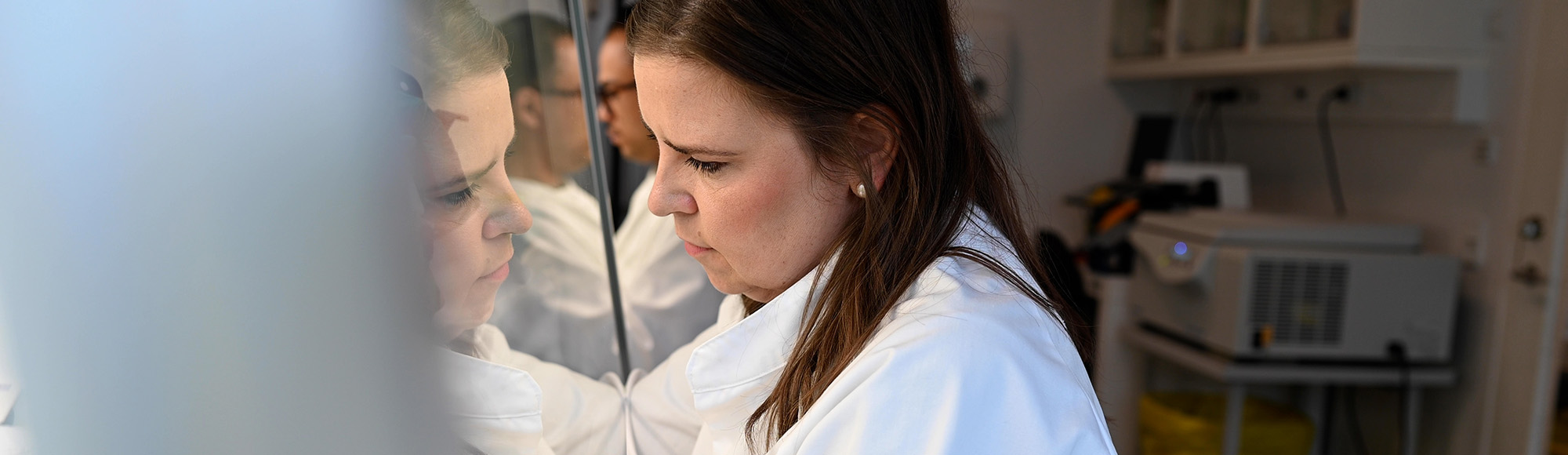
Maria Ormhøj from SDU Biotechnology will establish a new research team at the University of Southern Denmark to help make cancer immunotherapy even more effective. She is among the recipients of one of the prestigious Sapere Aude grants from the Independent Research Fund Denmark.
Over the past 10 years, a new form of cancer immunotherapy, known as CAR T-cell therapy, has gained ground. The patient’s own immune cells are modified so that the body itself can fight the cancer cells, and the treatment has proved particularly effective against leukaemia, not least in children.
Unfortunately, a number of patients relapse because, over time, the cancer cells can become resistant to the modified immune cells.
Maria Ormhøj wants to do something about that.
She is an assistant professor at SDU Biotechnology and has just received one of the prestigious Sapere Aude grants from the Independent Research Fund Denmark for early-career research leaders.
- We will investigate how cancer cells avoid being killed by CAR T cells and develop new strategies to overcome this resistance. The project combines advanced analysis of patient samples with new, tailor-made protein drugs designed using the AI tool AlphaFold, which can block the cancer cells’ defence mechanisms, says Maria Ormhøj.
International research environment
Maria Ormhøj has worked for several years to improve the effectiveness of CAR T-cell therapy. Among other things, she has worked on expanding the use of the treatment so that it can be applied to more types of cancer.
With the grant from the Independent Research Fund Denmark, she will now, for the first time, be able to hire PhD students and build an internationally recognised, interdisciplinary research environment for CAR T-cell therapy at the University of Southern Denmark.
- For me, Sapere Aude is a crucial step towards creating a new direction for my research by making it possible to implement new workflows in advanced protein design in my group, says Maria Ormhøj.
The potential significance for society and for cancer patients is enormous, the researcher says.
- If we succeed in making CAR T-cell therapy more effective, more patients may achieve long-term disease control or be cured. At the same time, the principles from the project could potentially be applied more broadly within immunotherapy and other forms of targeted treatment, says Maria Ormhøj.
- In the longer term, I hope the research can help move cancer treatment away from general treatments and towards more precise, tailor-made therapies, where treatment is adapted to the individual patient’s disease and resistance mechanisms.