
SDU’s most-read research news: Health, AI, schools and fertility top the list
From celiac disease, colorectal cancer and the medicine of the future to artificial intelligence, school reform and declining fertility: These are the SDU research stories that attracted the most readers.
Which research stories captured readers’ attention the most over the past year?
The short answer is stories about health and perspectives on some of the major societal debates of our time.
What SDU’s most-read research stories have in common is that they are based on research addressing questions close to people’s everyday lives or some of society’s major challenges.
For example, they are stories that help answer questions such as: How do you recognise celiac disease? What could new knowledge about viruses mean for our understanding of colorectal cancer? Why are Danes having fewer children? And how does artificial intelligence affect the information we encounter online?
Here we have compiled the most-read research news stories – so you can keep up to date with everything.
1. What is celiac disease?
Celiac disease, also known as gluten intolerance, is an autoimmune condition in which the body reacts to gluten — and it can cause everything from digestive problems to fatigue and iron deficiency.
Many people have no symptoms, but leaving the condition untreated can still have consequences. Here is what research knows today.

2. Newly discovered virus linked to colorectal cancer
Researchers from the University of Southern Denmark have identified a new virus in a common gut bacterium. The virus is found significantly more often in patients with colorectal cancer.
.jpg?la=en&h=630&w=1200&hash=47D6D74B02366AE978AD98B00E2388A6 "Minimal line drawing of the human large intestine")
3. Communication tool can improve treatment outcomes for patients with high blood pressure and cholesterol
A new study from the University of Southern Denmark shows that when people are given a clear and concrete understanding of their heart health alongside their usual treatment, they can achieve significant improvements in blood pressure and cholesterol levels.

4. Hormone therapy for transgender people
The number of annual referrals for transgender individuals seeking hormone therapy continues to increase.
Associate Professor Dorte Glintborg from the Research Unit for Endocrinology and the Centre for Gender Identity is leading a project examining the short- and long-term effects of hormone therapy in transgender people. We asked her to share her insights into transgender healthcare.

5. New reform: Six major changes to Denmark's public schools (in Danish)
Schools across Denmark are beginning to see the effects of the new school reform. Professor Ane Qvortrup highlights the six most significant changes.
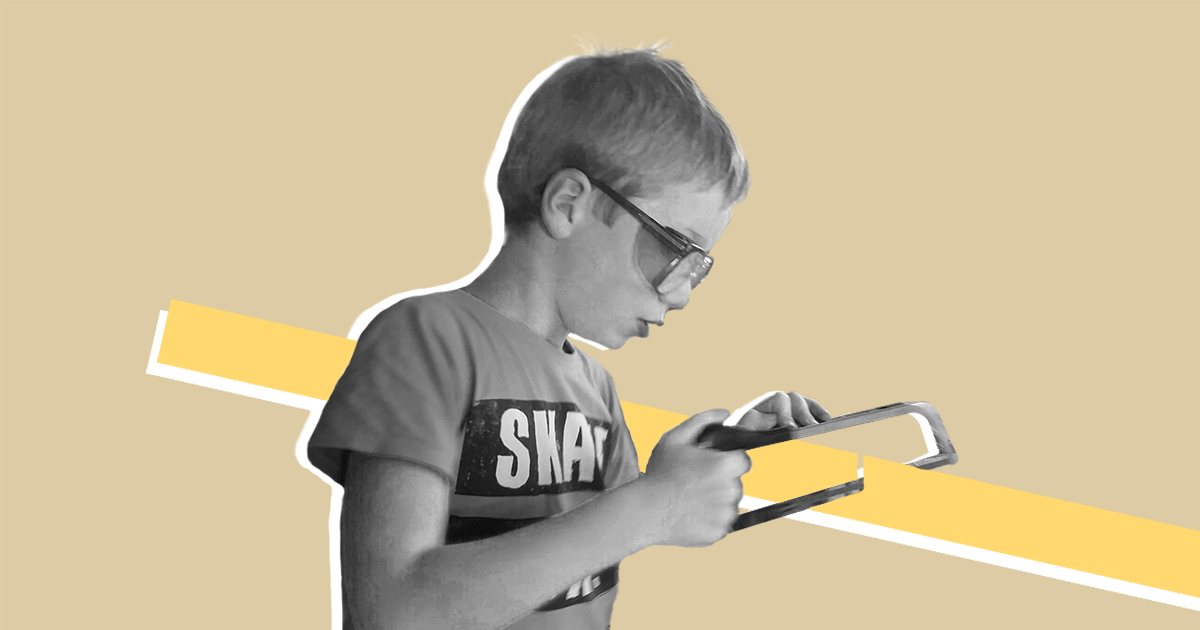
6. Synthetic data: A potential time bomb under the Internet
Bullshit AI. Habsburg AI. AI Slop. The nicknames are colorful — almost funny — but the concern behind them is real: that increasingly distorted, inbred AI systems are about to take over the internet. Human-created data may soon be a luxury, and fact-checking is more essential than ever, warns researcher.

7. Five things you should know about your medicine at home
Over-the-counter or prescription? Most of us have one or more medicinal products lying around at home. Here is a guide to handling your home pharmacy responsibly, created in collaboration with professor in pharmacy, René Holm.

8. Do We Really Need Pills Morning, Noon and Night?
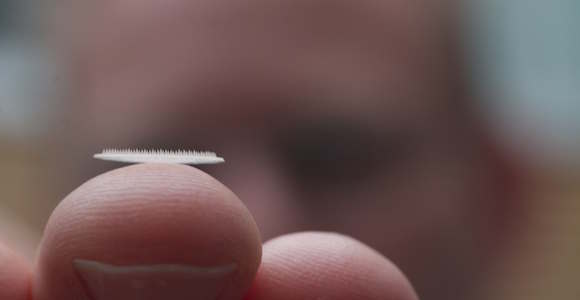
What if one injection or a tiny patch on the skin could replace the daily routine of swallowing pills? Researchers are racing to develop long acting medicines for people with chronic disease. The promise is clear. The challenges are not.
9. Declining fertility is a huge problem for Denmark
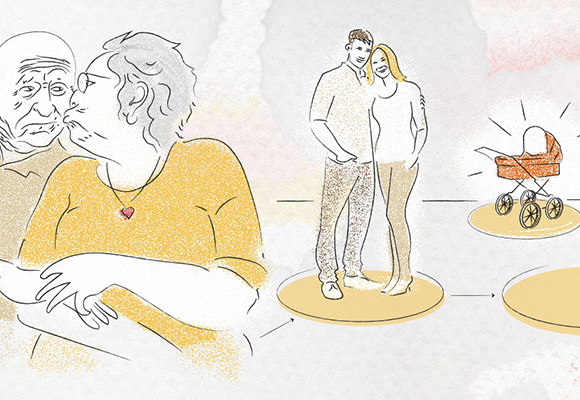
We know a lot about why Danes are having fewer children, but not nearly enough to do anything about it.
Rune Lindahl-Jacobsen, Professor of Epidemiology and Biodemography, takes us through the factors at play. And offers his take on a path to the solution.
10. What happens to your body when you drink alcohol?
For many people, alcohol is part of the festival experience. But what actually happens to your body when you drink for several days in a row, get less sleep and stay active from morning until night?
We spoke to Johanne Kragh Hansen from the Centre for Liver Research, who shares five things festivalgoers should know about alcohol and its effects on the body.