DA / EN

Biomedical IC Design

Research area · SDU Microelectronics

Within this research group, we develop implantable and wearable medical devices that interface with the human body and organs using electrical, optical, and ultrasound-based stimulation, recording, sensing, communication, and power delivery.

Research focus

Our research aims to understand and optimize how electronic systems interact with the human body, enabling the creation of safe, intelligent, and energy-efficient biomedical circuits and systems.

Low-power and wearable biosensors

Biosensors for wearable use, developed with a focus on low power consumption.

Implantable and minimally invasive devices

Devices placed in or close to the body with the least possible intervention.

Analog front ends

Analog front ends for bio-signal acquisition.

Areas of interest

Areas of interest include brain–computer interfaces, neurotherapeutics, and health monitoring technologies.

Brain–computer interfacesRecording and stimulation
NeurotherapeuticsElectrical, optical and ultrasound-based stimulation
Health monitoringWearable biosensors and bio-signals

Circuits and systems

Our biomedical circuits and systems are developed for in-vitro, ex-vivo, and in-vivo medical and clinical applications.
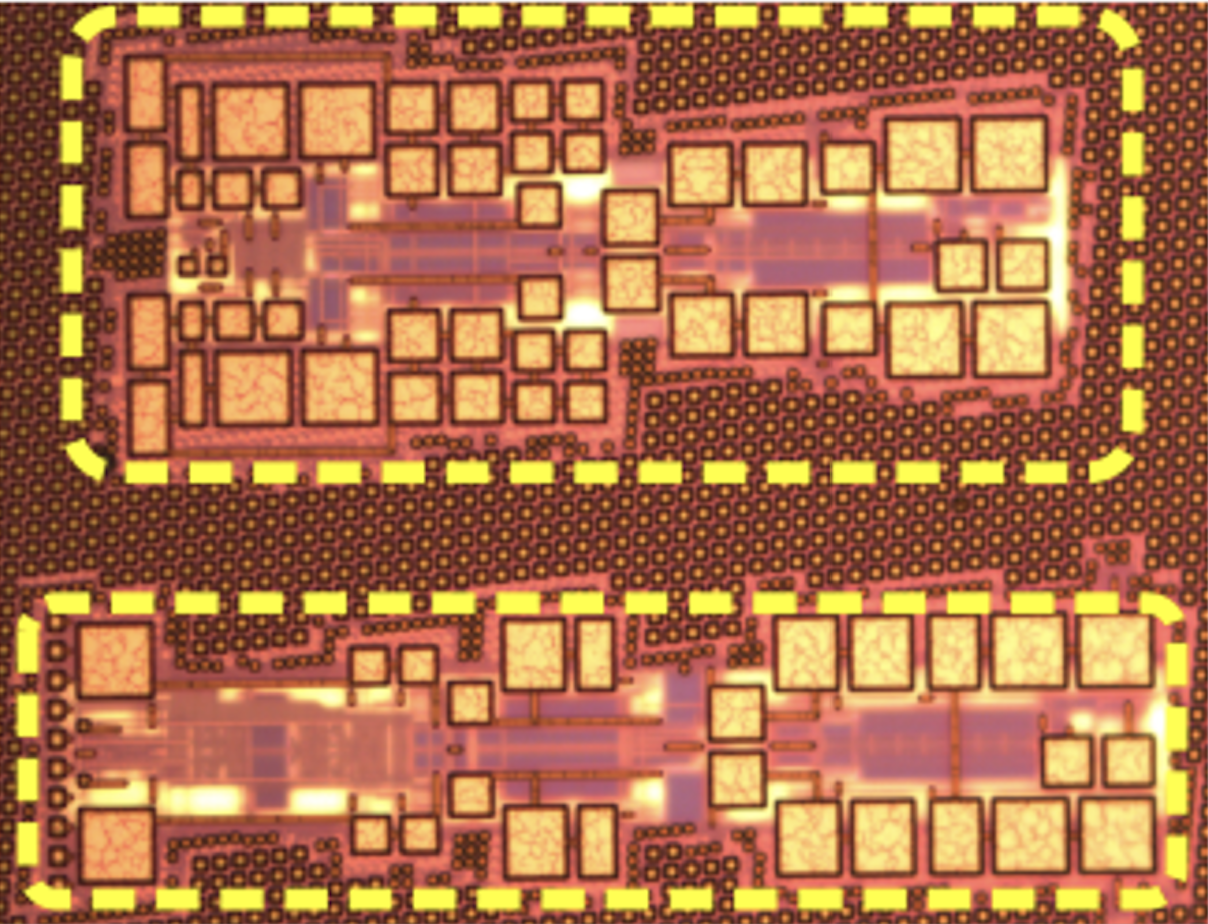
Capacitively coupled chopper-stabilized neural amplifier circuit.
Capacitively Coupled Chopper-Stabilized Neural Amplifier With Input Impedance of 6.7 GΩ.
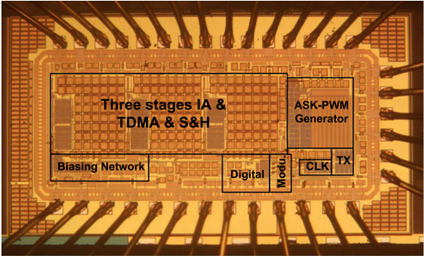
Miniaturized 3-channel wireless intra-cardiac acquisition system.
Miniaturized 3-Channel Wireless Intra-Cardiac Acquisition System.

Contact

Contact the research area

Professor Farshad Moradi

Head of SDU Microelectronics

moradi@sdu.dk +45 5386 9444

Last Updated 24.08.2026