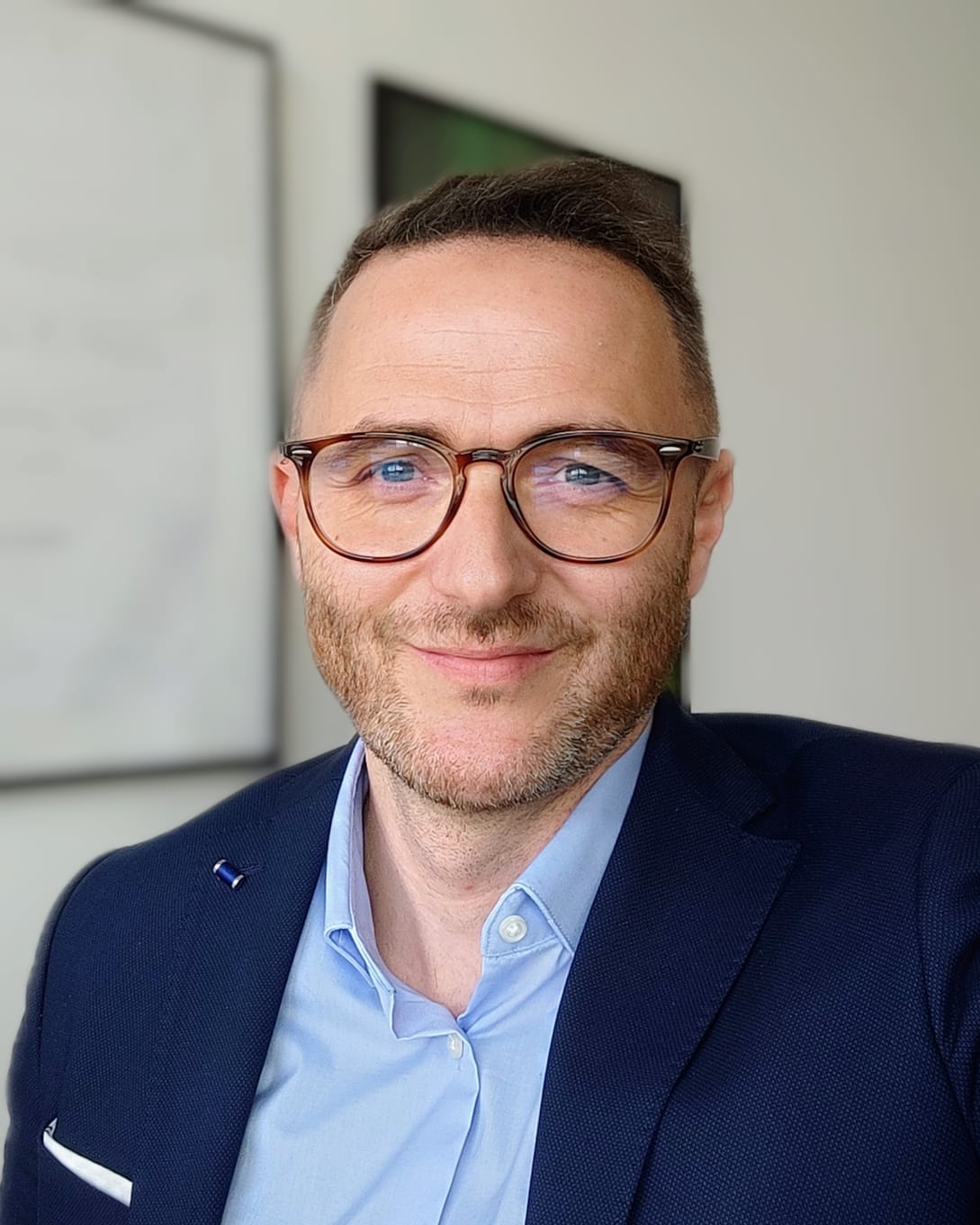
Today, Tomislav Ivanjko is Assistant Professor at the Department of Information and Communication Sciences at the University of Zagreb and one of the researchers who has helped establish citizen science as a recognised field of research in Croatia.
This spring, he visited the SDU Knowledge Center for Citizen Science as part of the growing collaboration between the two institutions. During his stay, he shared insights from his journey from crowdsourcing and digital humanities to citizen participation, local communities, and academic recognition.
"Citizen science gave me a term for something I had already observed in practice: that citizens can contribute knowledge, experience, and data in ways that research alone cannot achieve."
Thirty Years of Work Compressed into a Few Years
One of the projects that left a lasting impression on him involved a vast archive of Croatian sports photography. More than 300,000 photographs had been rescued from destruction and digitised, but they lacked metadata about people, events, and historical context. To tackle the challenge, retired sports journalists were invited to contribute. Many of them had attended the events themselves and possessed a level of expertise that neither databases nor artificial intelligence could provide.
"If the curator of the collection had been responsible for describing the material alone, it would have taken decades. At the same time, the former sports journalists had knowledge that artificial intelligence simply cannot provide."
The project became a powerful example of what can happen when citizens contribute not only labour, but also experience, expertise, and commitment.
"If you organise citizens well and have a clear plan, many people will have a strong intrinsic motivation to take part."
More Than Data Collection
In 2024, Tomislav Ivanjko and his colleagues published the first scientific book on citizen science in Croatian. The book covers the history of the field, key definitions, methodologies, and evaluation frameworks, providing researchers and institutions with practical tools for developing their own citizen science projects.
At the same time, he sees an important shift in how citizen science is understood. In the past, many projects were labelled citizen science simply because citizens helped collect or register data. Today, he argues for a more reciprocal approach.
"For me, it is only truly citizen science when both the research and the citizens benefit from the collaboration. It is not just about using people to collect data; it is about creating value for both sides."
As part of efforts to strengthen the field institutionally, citizen science will also become part of the curriculum at the University of Zagreb from the 2027/2028 academic year through a new elective course in Information Sciences.
From Enthusiasts to Institutions
Although interest in citizen science continues to grow, Tomislav believes one of the field's biggest challenges is that it often depends on the dedication of individual enthusiasts.
"If citizen science is not recognised within the systems by which researchers are evaluated, it will remain dependent on individuals. And then only a small group of enthusiasts will continue doing it."
He sees a similar challenge in the field of open science, where openness is still sometimes perceived as a sign of lower quality rather than greater transparency and societal relevance. For Tomislav, advancing citizen science is therefore not only about launching new projects. It is equally about building networks, securing institutional support, and creating shared methodological frameworks.
Think Globally, Act Locally
For researchers considering citizen science, his advice is simple: start with real-world problems that matter to people in their everyday lives.
"Think globally, but act locally. The strongest citizen science projects are those where local communities feel ownership and want to continue the work long after the formal project has ended. Even global challenges become meaningful when they are rooted in local needs and communities."
He also encourages researchers to embrace what he calls "messy data" – data and experiences that do not always fit neatly into traditional academic frameworks but can lead to greater societal impact.
"Citizen science is not the easiest approach, but it can bring research closer to the problems that people actually experience in their everyday lives."