Seaweed and algae in the kitchen: yes please or no thanks?
Seaweed and algae are increasingly and enthusiastically being promoted as foods of the future. But what do they actually bring to the table? Biologist and seaweed researcher Jamileh Javidpour takes us into the world of seaweed.
1: How does it taste?
Seaweed contains the fifth basic taste, umami, which comes from glutamate, a compound also found in foods such as mature cheeses and mushrooms.
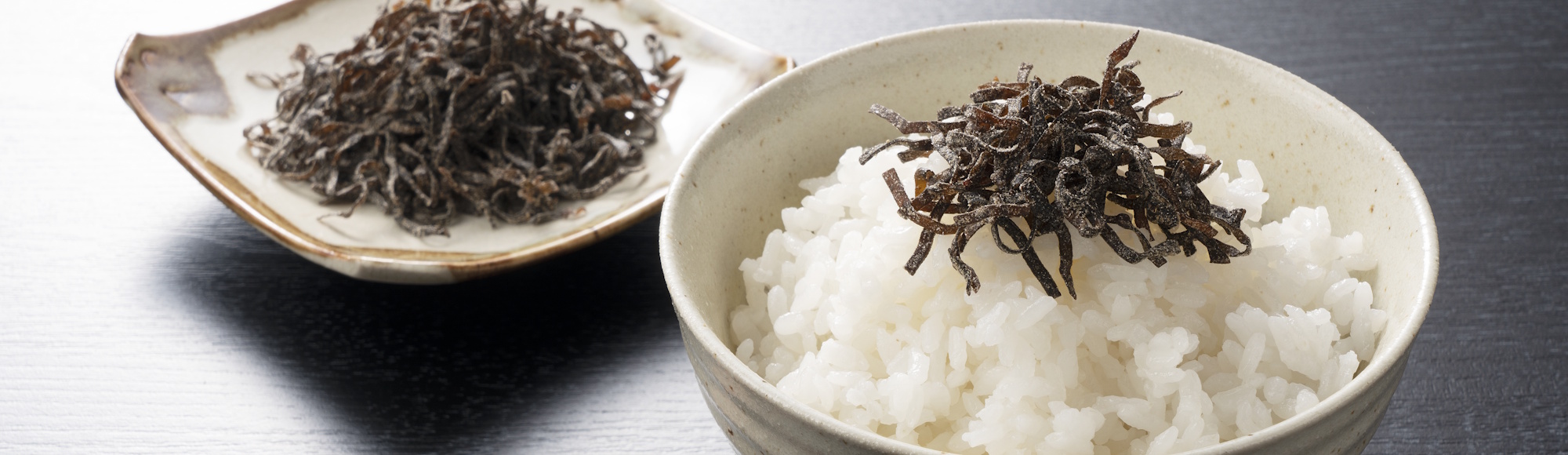
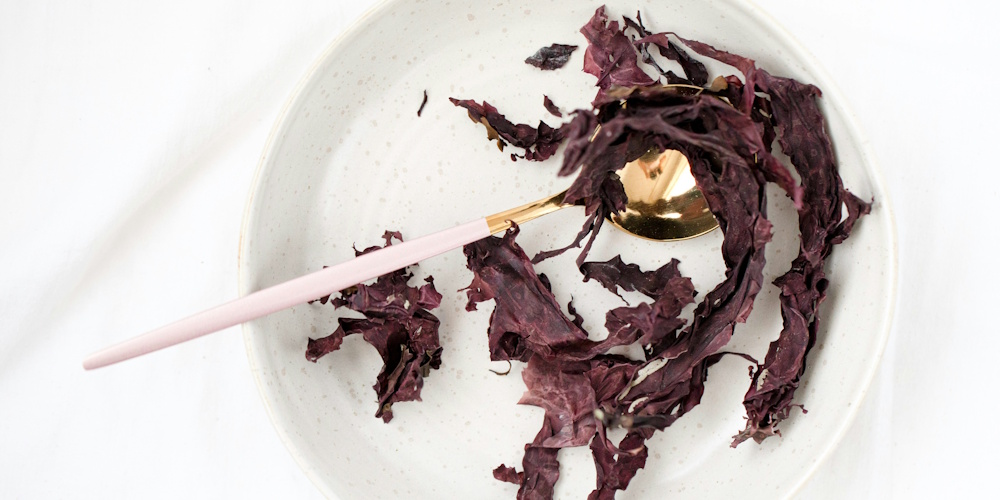
Toothed wrack and sea lettuce work well in salads; sugar kelp turns into delicious crisps when baked in the oven with a little oil; and fingered kelp is so firm and robust that it can replace the pasta sheets in a lasagne. Dulse is often called the bacon of the sea because it develops a salty, smoky flavour when fried in a pan.
Whole dried pieces can be toasted in a pan and mixed with butter or crème fraîche, or soaked and used in salads. Dried flakes can be used as a flavour enhancer in slow-cooked dishes or sprinkled over food just before serving.
2: Is it really that healthy?
Very much so, provided you do not eat large brown seaweeds more than once or twice a week, as they can contain high levels of iodine. However, their iodine content can be reduced by 80-90 % by soaking them in cold water for 10 minutes or by blanching them.
Seaweed is low in calories but contains 10-100 times more vitamins and minerals than many vegetables. For example, a single sheet of nori used for sushi can contain as many vitamins and minerals as 600 g of fruit and vegetables.
Seaweed is particularly rich in dietary fibre; vitamins A, C, D and E and several B vitamins, including B1, B12, riboflavin and niacin; minerals and trace elements, including iodine, magnesium, zinc, copper, manganese and calcium; and polyunsaturated fatty acids, especially omega-3 and omega-6.
Jamileh Javidpour's advice
What does the expert think?
"After three years of working with researchers, chefs, educators, and consumers through the AlgaeFood project, I am convinced that seaweed can play an important role in the future Danish food landscape. My message to Danish consumers is simple: be curious, start small, and give seaweed a chance. The ocean offers an extraordinary diversity of flavors, and seaweed may become one of the most exciting ingredients in tomorrow's sustainable cuisine."
(Photo of dried dulse, also called "bacon from the sea". Karolin Baitinger/Unsplash)
3: Did you know that you probably already eat seaweed and algae without knowing it?
Chances are, you already do. Certain seaweeds and algae are widely used by the food industry as thickeners and stabilisers and appear on ingredient lists as E numbers. E400-E404: alginic acid and alginates from brown algae. E406: agar from red algae. E407: carrageenan from red algae. Carrageenan, for instance, is used in products such as Matilde chocolate milk and powdered custard mixes.
4: Why should we grow more seaweed and algae in the future?
Space for food production on land and in freshwater environments is becoming increasingly limited, so it makes sense to source more food from the sea. Seaweed and algae are nutritious foods packed with beneficial compounds, and farming them can have a smaller environmental and climate footprint.
As seaweed grows, it absorbs nutrients such as nitrogen from seawater. When the seaweed is harvested, those nutrients are removed from the marine environment.
5: Where can you get good-quality seaweed for your kitchen?
You can go to the coast and gather fresh seaweed yourself, but make sure you learn about local conditions and species first, for example by joining a guided tour. Never collect seaweed near industrial sites, harbours or sewage outlets.
It is also worth shopping for a few types of dried seaweed and keep them in your kitchen cupboard.
You can even try growing edible seaweed yourself through one of the community sea gardens found around the country.
.jpg?h=4000&iar=0&w=6000&hash=D069AEAD3D069F4E00A074D5B46C8E81)
Are seaweed and algae the same thing?
All seaweeds are algae, but not all algae are seaweeds. Historically, and not very scientifically, we have used the word seaweed for algae that are large enough to be seen with the naked eye. Microalgae, on the other hand, attracted far less attention in the past, if they were known at all, and so we never really gave them a separate everyday name. Seaweed is still a common term for large algae, but if you want to be completely accurate, you should use the term macroalgae instead.
Meet the researcher
Jamileh Javidpour is a biologist at the Department of Biology. She led the recently completed AlgaeFood project, which set out to encourage people in Denmark and Germany to eat more seaweed and algae. The project website is packed with insights, advice and recipes. You can find it here: AlgaeFood.