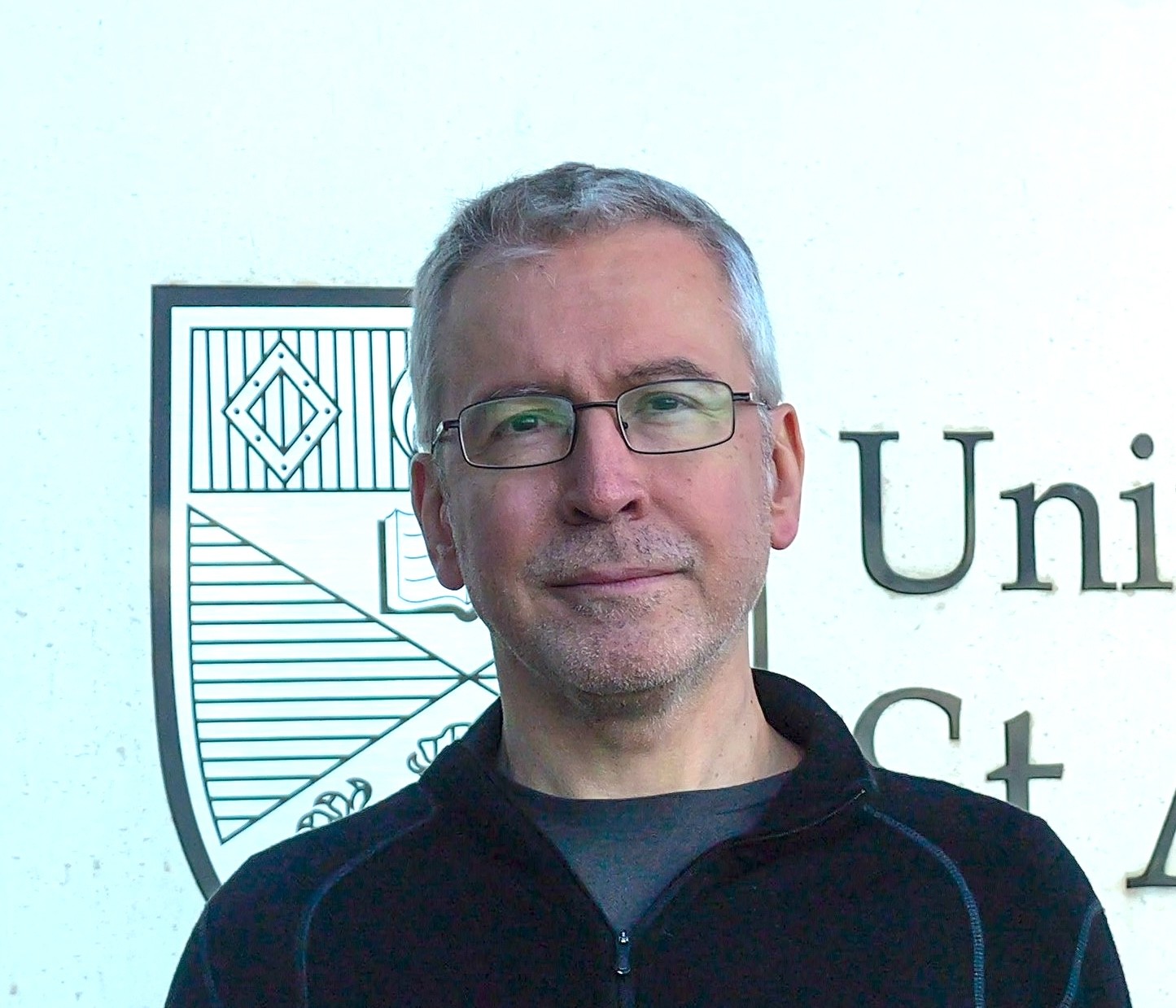
Michelucci works at the intersection of human computation, collective intelligence, and citizen science. For him, citizen science is not merely a way of collecting data, but a crucial method for bringing human intelligence into play when artificial intelligence falls short.
“Human computation is about how we combine the complementary strengths of humans and machines to create problem-solving systems that are more capable than either humans or machines alone,” he explains.
“If a task can be automated and handled better by a machine, it should be. We should only ask people to spend their time when their contribution truly makes a difference,” he says.
Instead, people should be engaged where humans have unique strengths, for example in abstraction and creativity. Michelucci mentions the story of a plumber who, after watching a video about removing a cork from a bottle using a plastic bag, came up with an idea for a tool that can help free babies stuck during childbirth. This ability to recognize patterns across very different domains is something AI still struggles with.
In the project Stall Catchers, which focuses on Alzheimer’s research, the team uses “consensus methods”, where many volunteers examine the same data point. By combining their responses, they have shown that the participants’ collective assessment can reach expert-level accuracy.
“We set the bar very high. In some cases, we test whether the crowd’s combined assessment is as close to the experts’ assessment as the experts are to each other,” Michelucci explains.
Using sophisticated algorithms, the researchers have also reduced the number of required responses from about 20 people to just four or five per data point while maintaining the same level of accuracy as an expert.
“Sometimes citizen science is the only way to achieve a result. If researchers don’t know the option exists, they miss the opportunity,” he says.
He specifically highlights the Danish Brain Collection project as an area with enormous potential. Here, Danish citizens could help decipher handwritten medical records linked to brain samples – a task that requires linguistic and cultural knowledge that machines still struggle to handle. This could make a valuable national resource accessible to international research on mental illness and dementia.
“Human computation is about how we combine the complementary strengths of humans and machines to create problem-solving systems that are more capable than either humans or machines alone,” he explains.
“Credo: “First Use no humans”
Although Michelucci is a pioneer in citizen science, he follows what he calls a “human computation oath”, where the first principle is to avoid using people’s time if a task can be solved in another way.“If a task can be automated and handled better by a machine, it should be. We should only ask people to spend their time when their contribution truly makes a difference,” he says.
Instead, people should be engaged where humans have unique strengths, for example in abstraction and creativity. Michelucci mentions the story of a plumber who, after watching a video about removing a cork from a bottle using a plastic bag, came up with an idea for a tool that can help free babies stuck during childbirth. This ability to recognize patterns across very different domains is something AI still struggles with.
Can we trust the data?
A common concern among researchers is whether data collected by citizens can be trusted. Michelucci’s answer is clear: Yes if the system is designed correctly.In the project Stall Catchers, which focuses on Alzheimer’s research, the team uses “consensus methods”, where many volunteers examine the same data point. By combining their responses, they have shown that the participants’ collective assessment can reach expert-level accuracy.
“We set the bar very high. In some cases, we test whether the crowd’s combined assessment is as close to the experts’ assessment as the experts are to each other,” Michelucci explains.
Using sophisticated algorithms, the researchers have also reduced the number of required responses from about 20 people to just four or five per data point while maintaining the same level of accuracy as an expert.
The potential at SDU and in Denmark
During his visit, Michelucci noted SDU’s approach to citizen science, which he sees as a middle ground between the American tradition of crowdsourcing and the European tradition of co-creation. He views university-based centers as crucial connectors that link domain researchers with methods for engaging citizens.“Sometimes citizen science is the only way to achieve a result. If researchers don’t know the option exists, they miss the opportunity,” he says.
He specifically highlights the Danish Brain Collection project as an area with enormous potential. Here, Danish citizens could help decipher handwritten medical records linked to brain samples – a task that requires linguistic and cultural knowledge that machines still struggle to handle. This could make a valuable national resource accessible to international research on mental illness and dementia.
Advice for researchers
If you are a researcher considering citizen science, Michelucci’s advice is simple: Reach out to SDU’s Citizen Science Knowledge Center. It is the best starting point for finding out whether the method makes sense for your particular project.
As he puts it in one sentence: “Citizen science can enable analyses and data collection that would otherwise not be possible while also giving your research much greater visibility.”
According to Pietro Michelucci, today’s artificial intelligence still has several fundamental limitations compared to human intelligence. These gaps highlight why human cognition remains essential in many problem-solving systems.
Michelucci points to six areas where human intelligence continues to outperform AI:
- Probability weighting: AI systems can generate diagnoses or predictions, but they often struggle to judge how likely different outcomes actually are in a specific real-world context.
- Lived experience: Humans draw on accumulated experience, such as the clinical intuition of a doctor, which helps them recognize patterns and interpret subtle signals that machines may miss.
- Embodiment: Humans learn through physical interaction with the world. AI, by contrast, does not experience cause and effect through bodily interaction with its environment.
- Grounded knowledge: Large language models learn from text alone. As a result, their knowledge is largely propositional rather than grounded in real-world understanding.
- Critical developmental periods: Human intelligence develops through biological stages, such as language acquisition during childhood, that fundamentally shape how we think and learn.
- Cross-domain abstraction: Perhaps most importantly, humans can make creative connections across very different domains. The ability to transfer an idea from one context to a completely different one remains a uniquely human strength.