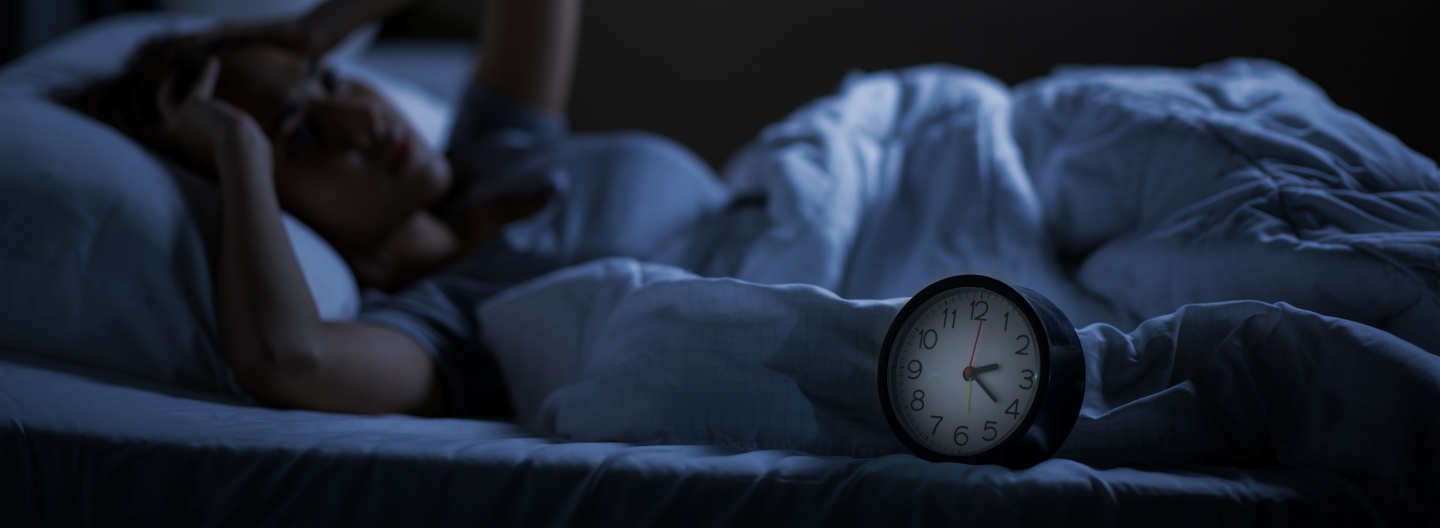
Many Danes Struggle with Insufficient Sleep
An increasing proportion of Danes report insufficient sleep. Currently, 15% of the adult population - equivalent to around 800,000 people - report that they never or almost never get enough sleep to feel well-rested.
This is according to a new report from the National Institute of Public Health, based on responses from more than 10,000 participants in The National Health and Morbidity Survey (SUSY-2025).
Overall, 15% of respondents reported that they never or almost never get enough sleep to feel well-rested. In 2013, the corresponding figure was 11%.
"Every time we examine the sleep habits of the Danish population, we see developments in the wrong direction. This is concerning, as sleep is a fundamental prerequisite for both physical and mental health," says Anne Illemann Christensen, Senior Researcher and Head of Research, who is one of the authors of the report.
More Than One in Three Do Not Meet the Recommendations
The report also shows that 35% of the adult population do not meet the Danish Health Authority's recommendations for sleep duration.
For adults aged 18-64, the recommendation is 7-9 hours of sleep per day, while adults aged 65 and older are recommended 7-8 hours of sleep. Since sleep needs differ from person to person, the recommendations recognize that sleep duration both below and above the recommended range may be appropriate for some.
According to Anne Illemann Christensen, getting enough sleep is important, but sleep quality is equally essential. In other words, good sleep is about both quantity and quality.
"Both insufficient and poor-quality sleep can affect quality of life, health, and well-being. In the short term, sleep problems can lead to poorer concentration, lower mood, and reduced performance. In the longer term, inadequate sleep is associated with an increased risk of high blood pressure, cardiovascular disease, type 2 diabetes, mental disorders, and premature death."
Sleep Is Closely Linked to Health and Well-being
The report also highlights a strong association between sleep and overall health.
People with low sleep sufficiency or who do not adhere to sleep length recommendations are more likely than others to experience other health-related challenges.
They are more likely to live with a long-term illness, report lower mental well-being, and rate their overall health less positively. They are also more likely to smoke, drink higher amounts of alcohol, and be physically inactive.
However, Anne Illemann Christensen stresses that the survey is a cross-sectional study and therefore cannot determine cause and effect.
"The survey provides a snapshot in time, meaning that we cannot conclude whether poor sleep causes these problems or whether the problems lead to poor sleep. Poor sleep may contribute to poor well-being or illness, but poor well-being and illness can also lead to poor sleep. Regardless of the direction, the key message is that sleep is closely linked to both physical and mental health."
Screens and Worries Disrupt Sleep
When explain the reasons for their sleep problems, many point to screen use. This is particularly common among young people aged 16-24, where around two-thirds report that mobile phones, televisions, or other screens cause them to go to bed later than intended..
Thoughts and worries about family and personal matters are also a common reason, especially among women, with 40% percent reporting worries as a cause of poor sleep compared with 31% of men.
Among older adults, insufficient sleep is more often caused by nighttime toilet visits and physical symptoms related to illness.
Sleep Is Influenced by Many Factors
Research shows that sleep problems rarely have a single cause but are often the result of an interaction between multiple factors. Psychological distress and stress play a significant role, while lifestyle factors such as physical activity, alcohol consumption, and screen use also influence sleep.
According to Anne Illemann Christensen, good sleep habits - often referred to as sleep hygiene - can help improve sleep.
"Good sleep hygiene includes maintaining a regular bedtime, reducing caffeine intakte before bedtime, and avoiding screens in the bedroom. Our daily habits can both support or interfere with healthy sleep," she says.
The SUSY survey and the report were funded through the framework agreement between the Ministry of Health and Ecclesiastical Affairs of Denmark and the National Institute of Public Health, University of Southern Denmark.
Contact: Mette Nygaard, Scientific Assistant, Email: menyg@sdu.dk, Phone: +45 65 50 83 32 and Anne Illemann Christensen, Senior Researcher and Head of Research, Email: anch@sdu.dk, Phone: +45 65 50 77 73. National Institute of Public Health, University of Southern Denmark