BRAVE
Biological Invasions Resolved through Adaptable, Versatile, and Engaging Nature-Based Solutions
Duration: 01/02/2025-31/01/2028
BRAVE addresses the complex ecological and societal challenges associated with invasive alien species, emphasizing their multiple roles in providing benefits and burdens simultaneously. The underlying trade-offs in managing these multiple-role invasive species are complex and require inter- and trans-disciplinary approaches to ensure optimal outcomes for biodiversity, the economy and society
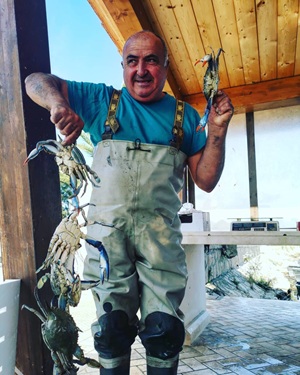
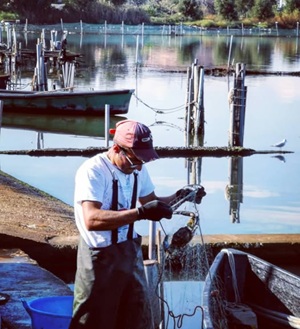
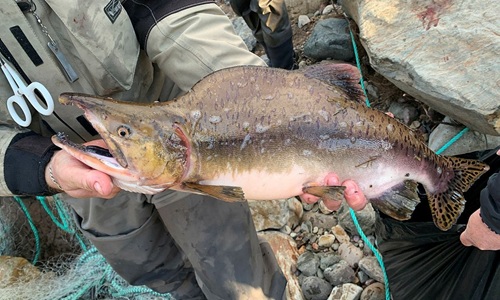
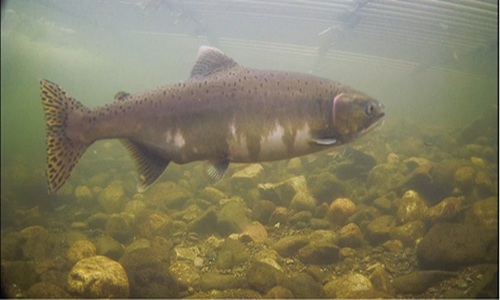
The project assesses Nature-based Solutions for managing biological invasions and restoring affected ecosystems. This involves active stakeholder engagement and participatory valuation methods, recognizing the multiple and plural values of nature and the ways these translate to human well-being through a better understanding of the ecological, social, and economic benefits of Nature-based Solutions. Three carefully chosen case studies involving multiple countries and protected areas in the Nordics and the Mediterranean highlight the diverse values and stakeholder conflicts for Pacific Oyster in Denmark, Norway, and Sweden; Pacific Pink Salmon in Norway; and Blue Crab in Italy and Portugal.
BRAVE evaluates the socio-ecological context of harvests, including recreational and volunteer efforts, questioning their efficiency and coordination for meeting conservation goals. Highlighting the clash between economic opportunities and conservation, we aim to provide a framework for optimal policy, addressing ecological, economic, and societal concerns. We introduce economic tools to understand user values, assess trade-offs, and design incentive mechanisms. Embracing uncertainty, we examine how recreational harvesting impacts biodiversity and user values, aiming to enhance both without hindering biodiversity management. Beyond its methodological contributions to environmental and resource economics, BRAVE introduces a social science perspective, into a predominantly natural science field, which is essential as invasive species management often lacks the social and governance considerations necessary for optimal outcomes and cost-effectiveness.
Engaging diverse stakeholders, from fisheries and conservation managers to citizens, entrepreneurs, and environmental organizations, BRAVE informs policy-making with a nuanced understanding of multiple-role invasive species. It offers a framework that uncovers trade-offs, incentives, and solutions based on socioecological synergies for conservation while mitigating user conflict. The outcomes of BRAVE directly contribute to policy and management options for transformative change that considers diverse stakeholder values .
Main objectives
BRAVE aims to develop a framework for IAS management acknowledging their multiple roles, focusing on NbS for balancing conservation with societal needs. Specifically, BRAVE seeks to: 1) Assess trade-offs in IAS management by integrating ecological, social and economic perspectives; 2) Assess the effectiveness of NbS in restoring ecosystems impacted by IAS; 3) Develop participatory valuation methods; 4) Design economic tools and incentive mechanisms to align conservation efforts with user values; 5) Generate evidence-based recommendations for biodiversity policies and invasion management.
Main activities
Key planned activities include: 1) Ecological impact assessments focusing on IAS’s interactions with native species and ecosystem processes; 2) Bioeconomic modelling to understand trade-offs of different management strategies; 3) Valuation studies using both revealed and stated preference methods to quantify values for the IAS assessed.
BRAVE will disseminate findings and share knowledge with stakeholders, including policy-makers, local communities, and industries affected by MR-IAS. Dissemination and stakeholder engagement activities include: accessible policy briefs and scientific papers, workshops, focus groups and stakeholder meetings, educational material to raise awareness and digital platforms. By engaging stakeholders from fisheries, conservation, and local communities, BRAVE informs policy-making and IAS management. It provides actionable frameworks to uncover trade-offs, incentives, and solutions for sustainable management that consider diverse stakeholder values, contributing to transformative policy change.
Click here to visit the Biodiversa+ page

Partners of the project
- Department of Sociology, Environmental and Business Economics, University of Southern Denmark, Esbjerg, Denmark
- National Research Council – Institute of Sciences of Food Production, Foggia, Italy
- Department of Economics, Swedish University of Agricultural Sciences, Lund, Sweden
- School of Economics and Business, Norwegian University of Life Sciences, Ås, Norway
- Center for applied research, Norwegian school of economics, Bergen, Norway
- Swedish Institute for Food and Agricultural Economics, Lund University School of Economics and Management, Lund, Sweden
- Department of Biological and Environmental Sciences and Technologies, University of Salento, Lecce, Italy
- Department of Veterinary Sciences, University of Messina, Messina, Italy
- Faculty of Economics, University of the Algarve, Faro, Portugal
- Ecology and Restoration of Riverine, Estuarine and Coastal Habitats, Algarve Centre of Marine Sciences, Faro, Portugal


